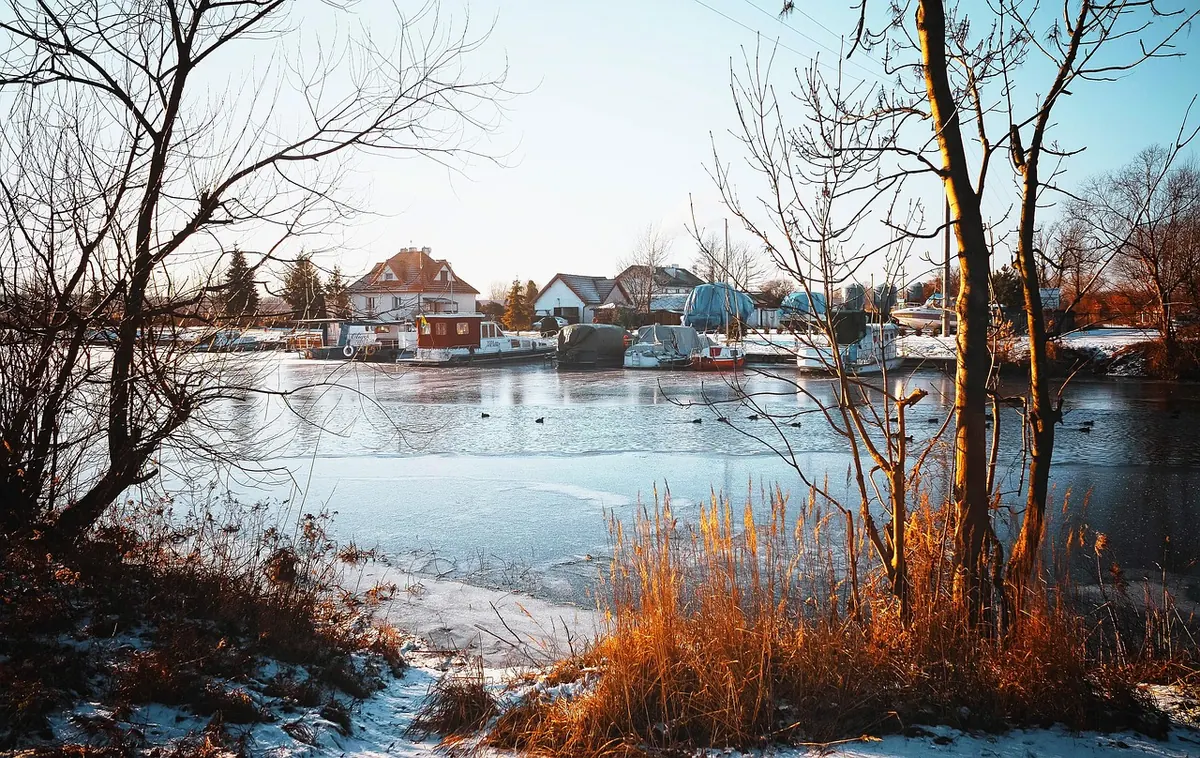
The first hard freeze rarely makes an announcement. It arrives overnight, while the boat sits empty in its slip, and by morning a split fitting or a cracked pump housing has already made the decision for you. Winterizing is not difficult work, but it is sequential. Water systems come first, then the engine, then everything that touches the dock. Do those steps out of order and you will end up draining a line you just filled with antifreeze.
Most of this fits into one long weekend, or two shorter ones if the weather cooperates. What follows is the order that experienced owners tend to settle into after a few seasons, along with the marina-specific details that are easy to overlook until the dock water is already shut off.
Start With a Conversation at the Dock Office
Before you buy a single jug of antifreeze, find out what your marina actually does in winter. Policies vary widely, and a few of them change your whole plan.
- Dock water shutoff date. Many marinas drain and shut down dock water in late fall. Know the date so you can flush and disconnect your hose beforehand.
- Power pedestals. Some docks stay energized all winter; others are de-energized to protect the system. This determines whether you can leave a battery maintainer aboard.
- Bubbler and de-icer rules. If you are staying in the water, ask whether de-icing equipment is permitted and what type. Some marinas restrict or prohibit certain devices.
- Dock removal or lowering. Floating docks may be pulled or repositioned. That affects how you tie up and where you leave lines.
- Insurance and contract requirements. Many marinas want proof of coverage and a signed winter agreement, and some require a local contact who can respond to problems.
Write the answers down and put them with your boat paperwork. You will want the shore power answer in January.
Drain the Fresh Water System Completely
Disconnect the shore water hose first, drain it, coil it, and take it home. A hose left on the dock will freeze solid and split. Then move to the boat's own system.
Pump the fresh water tank as low as you can, open every faucet, and let the pump run until it stops moving water. Bypass the water heater so you are not filling a tank with antifreeze, and drain the heater separately. Then run non-toxic propylene glycol antifreeze through the system, opening one fixture at a time until you see color at each tap. Do not forget the transom shower, the anchor washdown, any icemaker or washer, the head, and the shower sump.
Use propylene glycol rated for potable water systems, not automotive antifreeze. Ethylene glycol is toxic and has no place in a freshwater system.
Pour a little antifreeze down every drain, including the cockpit drains if they run to a sump, and into any trap you can reach. Pump out and rinse the holding tank, then add antifreeze to protect the lines and the tank itself. A holding tank left full through a hard freeze is a genuinely expensive mistake.
Engine, Fuel, and Raw Water
Engine winterization is manufacturer-specific, so pull the manual for your particular model rather than following a generic routine. The general shape of the job looks like this: change the oil and filters before layup so contaminants are not sitting in the crankcase all winter, replace the fuel and water separator, and add stabilizer to the fuel. Leaving the tank nearly full limits the air space where condensation forms.
On raw-water-cooled inboards, flush the cooling system and fill it with antifreeze through the flush port until it exits the exhaust. On closed-cooling systems, check the coolant for both freeze protection and condition. Outboards should be tilted down to drain, fogged, and stored vertically; if you have any reason to suspect water in the lower unit, having the gear lube checked before layup is cheap insurance. Stern drives need the same drain-and-fill treatment on the raw water side, plus a look at the bellows and the anodes.
If the raw water impeller is due, either replace it now or put it on the spring list. Do not leave it as a maybe.
Through-Hulls, Holding Tank, and Belowdecks
Close every seacock, and while you are down there, work each handle through a full cycle so you know it isn't seized. Drain strainers and hoses. Any through-hull feeding air conditioning, a generator, or a washdown pump needs to be drained and protected with antifreeze. Check hose clamps while you have access; doubled clamps on below-waterline fittings are the standard for good reason.
Dry the bilge as thoroughly as you can. A bilge that repeatedly collects and freezes a few inches of water puts stress on the hull and on the pump. Leave the bilge pump and float switch functional, and confirm the float moves freely. Some owners leave a shallow layer of antifreeze in a bilge that always seems to find water.
Batteries, Shore Power, and Heat
Charge the batteries fully before layup. A discharged battery can freeze and crack; a charged one handles cold far better. Clean and protect the terminals, top up flooded cells with distilled water, and decide whether the batteries stay aboard. If you take them home, store them somewhere cool and dry and recharge them once or twice over the winter.
If power stays on at the dock, use a smart maintainer rather than a constant charger, and use a proper marine shore power cord with a drip loop and the inlet covered. Household extension cords have no place in a marine shore power setup. If the dock is de-energized, unplug, coil your cord indoors, and do not plan on a charger you cannot power.
Owners who leave a heater aboard should use a marine-rated unit with a tip-over shutoff, secured so it cannot fall against something combustible, and plugged into a circuit that can handle it. If the boat stays in the water, a thermostatically controlled de-icer may be worth discussing with the dockmaster.
Lines, Cover, and the Final Walkthrough
In the water, ice and low water move the boat around, so give yourself a bit more slack than usual without letting the hull reach the dock. Double up the lines, add chafe guards where they pass through chocks, and hang fenders at every contact point. Clean everything of yours off the dock: cords, hoses, cushions, grill, dock box contents.
If you cover the boat, frame it so snow sheds and air moves. A sealed cover traps moisture and grows mildew by February; vents and a little airflow solve most of that. Remove sails, canvas, electronics, cushions, portable fuel tanks, and anything else that is easy to carry away. Winter docks are quiet, and quiet docks attract attention.
Then do one last pass in this order:
- Every seacock closed, every drain empty.
- Fresh water system full of propylene glycol, shore hose home.
- Engine and exhaust flushed, fuel treated, outboard tilted down.
- Holding tank pumped, antifreeze in the lines.
- Bilge dry, pump and float switch working.
- Batteries charged and either maintained or removed.
- Lines doubled, chafing protected, fenders set.
- Cover vented, valuables off the boat, dock clear.
Check In Through the Winter
Winterizing is not a one-time event so much as the start of a low-maintenance season. Stop by once a month, or arrange for someone reliable to do it, and look for the things that only show up over time: a cover that has sagged and is holding water, a line that has chafed through, a bilge that is suddenly wet, a fender pushed out of place after a storm. Take a few photos before you cover the boat so you can confirm what changed later.
Leave your phone number with the dock office and make sure your insurer's winter layup requirements are satisfied. Ask what the marina does if something goes wrong while you are away, and who else to call. Then, when the ice goes out, spring commissioning is a matter of reversing a list you already have rather than rebuilding one from memory.
Photo: jwvein / Pixabay