By four in the afternoon, the wind on Lake Michigan has usually made up its mind. The same holds on Huron, Erie, Ontario and Superior, and that decision tends to arrive about an hour before you were planning to start looking for a place to sleep. Dockage on the Great Lakes rewards the boater who thinks about the evening at noon. The good news: the region is thick with harbors, from a 200-slip municipal marina to a quiet anchorage behind a breakwall, and there is almost always a workable option within an afternoon's run.
Know Your Options Before You Need Them
Transient dockage comes in a handful of flavors, and each one behaves differently when you call.
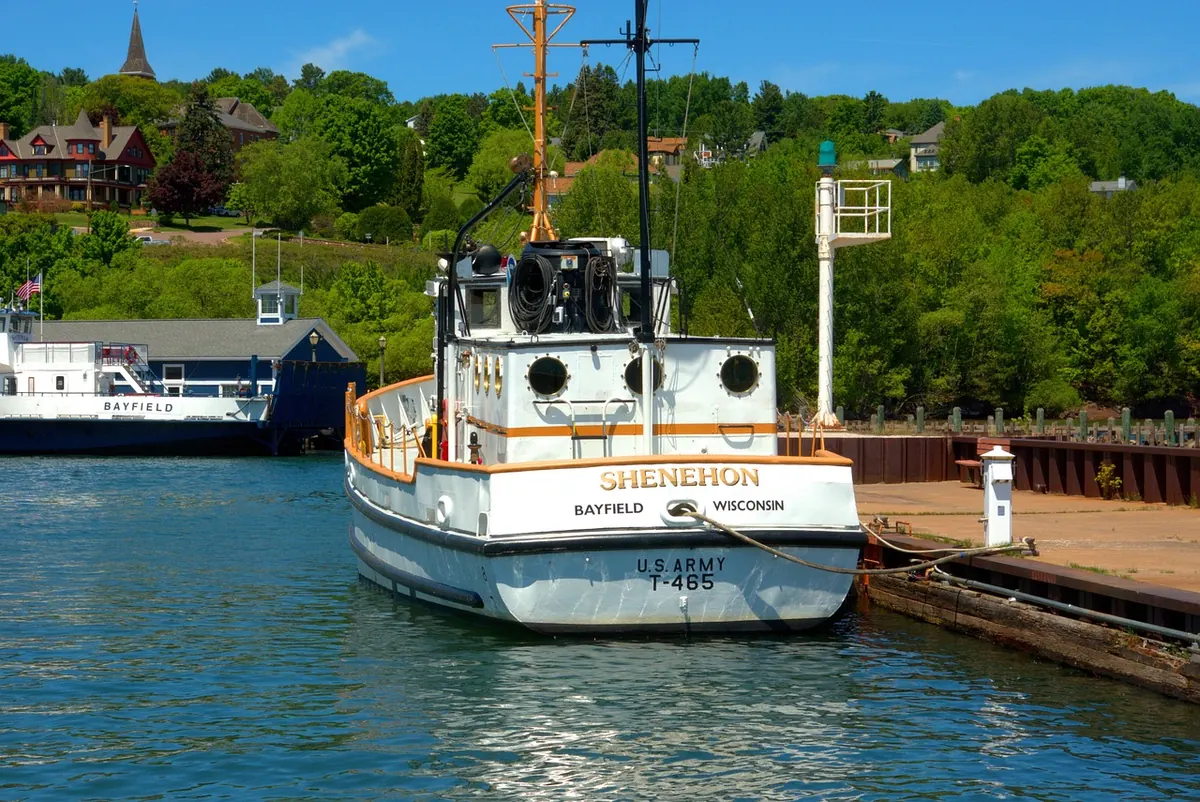
- Municipal marinas. Run by harbor towns and cities. Often the most affordable, with short reservation windows, seasonal dock staff and a walk to town. Grand Haven, Leland, Bayfield and dozens of smaller ports fit here.
- Private marinas. Fuel, pump-out, showers, repairs. Some take reservations months out; others hold a few transient slips back for same-day arrivals.
- Yacht clubs. Reciprocal guest moorage is one of the best deals on the lakes, but it usually requires a call ahead, a membership card and a club burgee.
- Mooring fields. Common in New England, less so here, but a few harbors rent town moorings by the night with dinghy access to shore.
- Walls and lock walls. Seawalls, breakwalls and canal walls along the Trent-Severn and Rideau systems. Few or no services, no protection from surge, and your fenders will earn their keep.
When you call, ask the questions that matter. Depth at the slip, not at the harbor entrance. Fixed or floating docks. 30-amp or 50-amp power. Whether the slip sits open to the fetch, because a west wind that felt pleasant at noon can make a bow-in slip miserable by nine. Great Lakes water levels swing over years, so a slip that fit you two seasons ago may be tight now, and a harbor that shoaled may have moved its buoys.
Reservations, Radio and the Art of Calling Ahead
Most transient slips are still booked by phone or by hail on VHF, though a growing number of marinas use online booking platforms. Either way, the sequence that works looks like this:
- Call or hail early in the day, ideally before noon, and say plainly that you are looking for one night, two nights, or a week.
- Give your length, beam, draft and estimated arrival time. Draft is the number that ends conversations.
- Ask about the approach: range markers, shoals, whether the fuel dock is a better landing spot than the slip.
- Confirm the cancellation policy and whether the slip is held after dark.
- Ask what time the office closes and where to find your assignment if you arrive late.
Hail on channel 16, then move to a working channel. Many offices monitor the radio only during business hours, so an evening arrival may mean no one to catch a line. That is fine if you have already confirmed a slip number and a live power pedestal. Look for a self-registration board or envelope box near the office; plenty of municipal harbors leave one out for exactly this reason.
Anchoring and Mooring: Quiet, Cheap and Occasionally Delicate
Great Lakes bottoms are mostly mud, sand and clay, which hold well, with rocky patches in Georgian Bay, the North Channel and parts of Superior. Use 5:1 to 7:1 scope in settled weather and more when the wind is up.
Where you may anchor varies. Many harbors have designated anchorage areas outside the fairway. Dropping the hook in a channel, a ferry lane or a marked approach is a poor idea anywhere. Some towns restrict overnight anchoring near the waterfront, and conservation areas, national lakeshores and marine parks set their own rules. Read the harbor chart and the local notice to mariners, and when in doubt, ask the marina or the harbormaster.
What Makes a Good Roadstead
Look for shelter from the forecast wind, not the wind you have right now, plus swing room and adequate depth. Fetch matters more than most people expect: a mile of open water to windward turns fifteen knots into a restless night. Because a passing front can shift the wind ninety degrees, a bay that is perfect on a southwest breeze may be wide open by midnight. If you plan to go ashore, sort out landing first, whether that is a municipal dinghy dock or a spot at the marina's transient float.
Weather Planning That Earns Its Keep
On the US side, NOAA marine forecasts arrive over VHF weather channels and the National Weather Service's marine text products. Environment Canada publishes its own marine forecasts and warnings for Canadian waters, and the two do not always agree, which is worth remembering near the border. Buoy observations tell you what the wind actually did, and that is often more useful than what it was supposed to do.
Three patterns deserve your attention. Thermal breezes build on hot afternoons, so a calm morning on Lake Michigan does not promise a calm evening. Thunderstorms on humid summer days can go from a dark line on the horizon to a serious squall in under an hour, which is why an early start beats a fast finish. And fog settles in on Superior and in the North Channel with little warning. Seasonal notes matter too: the lakes are cold year-round, so dress and equip for immersion, and check whether your planned harbor closes its docks or fuel dock after Labor Day.
Arrival Day: A Short Checklist
- Radio or call the harbor thirty to sixty minutes out to confirm your slip and your approach.
- Rig fenders and dock lines on the side the wind and current want, not the side you prefer.
- Note the current at the entrance. River mouths and canal harbors run harder than they look.
- Report to the office with registration numbers, insurance details and a phone number.
- Collect gate codes, restroom and shower locations, Wi-Fi password and pump-out hours.
- Walk the dock, then look at tomorrow's forecast before you settle in for dinner.
Cross-Border Nights and Other Small Details
Rates vary widely by region, season and slip size, so ask for the total before you agree. Clarify minimum stays, per-person charges, electrical hookups, pump-out fees and launch ramp charges. Some harbors charge by the foot with a minimum length.
Crossing between the United States and Canada means reporting to the appropriate agency before anyone goes ashore. Procedures and documentation requirements change, so confirm current rules directly with the agency or through your destination marina rather than relying on last season's routine. This is not a place for guesswork.
Yacht club reciprocity is worth a phone call even if you have never cruised to that club before; bring your card, your burgee and a willingness to eat at the clubhouse. And keep the small courtesies in mind: respect quiet hours, ask before rafting, skip the generator where it is unwelcome, and tip a dockhand who takes your lines in a crosswind. That last one buys more goodwill than any reservation app.
Before You Cast Off
Spend an hour before the season starts assembling a simple harbor list for the water you actually cruise: name, phone number, VHF channel, approach notes, depth, and whether they take reservations. A printed cruising guide or club directory still earns its shelf space when the phone has no signal and the chartplotter is arguing with you.
Then, on the water, make the decision early. Pick your primary harbor and one backup for every night, call before noon, and give yourself permission to stop sooner than planned when the forecast turns. The Great Lakes will hand you memorable evenings, a quiet slip, a walk up the hill for dinner, and a sunrise over the breakwall. Getting there is mostly a matter of planning while the sun is still high.
Photo: MikeGoad / Pixabay